
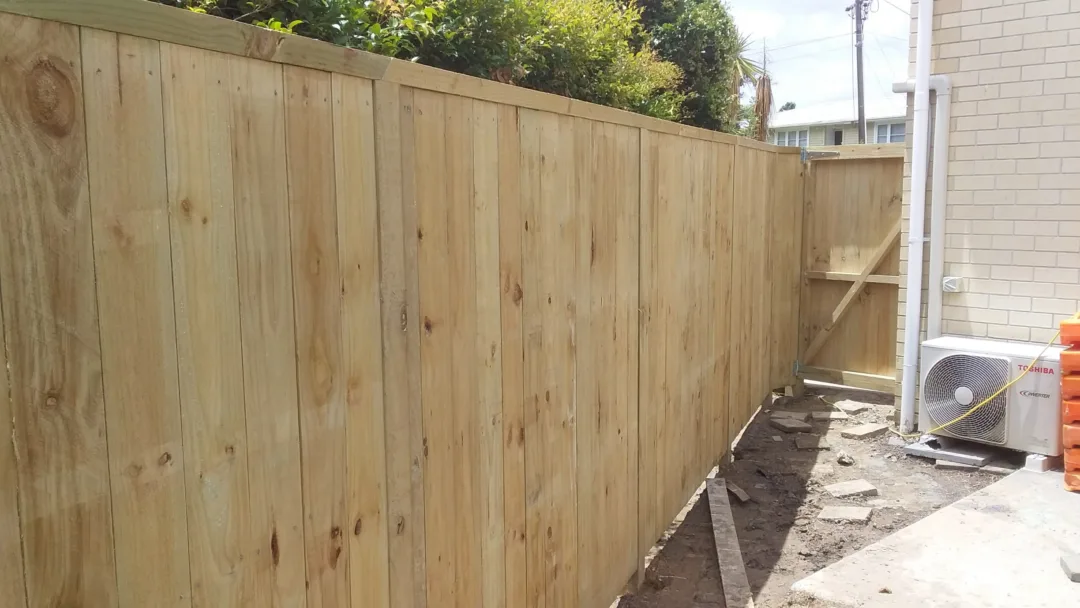
Your timber fence is taking a beating. Auckland’s intense UV rays, salt-laden winds, and unpredictable moisture are relentless on untreated wood—and a fence without proper protection can deteriorate in just a couple of years. The good news? The right fence stain acts as your timber’s best defence, locking out the elements while keeping your boundary looking sharp.
But here’s where most Kiwi homeowners stumble: they grab whatever stain is on the shelf at the hardware store, slap it on without proper prep, and wonder why it peels and fails within months. The reality is that choosing and applying fence stain correctly—especially for New Zealand’s Southern Hemisphere climate—requires knowing what works, how to prepare your fence properly, and when to call in the pros.
This guide walks you through everything you need to protect and beautify your timber fence, from selecting weather-resistant products to mastering the application process and staying on top of maintenance. Whether you’re tackling a DIY project or weighing up the benefits of hiring experienced local fencers, you’ll find the answers and confidence to make the right choice for your Auckland home.
- Auckland’s climate demands UV-protective and weather-resistant stains: New Zealand’s intense sun and moisture require stains specifically formulated to handle our Southern Hemisphere conditions, not generic products.
- Water-based stains offer faster drying and easier cleanup for Kiwi DIYers: Unlike oil-based options, water-based stains dry in hours rather than days, letting you work around Auckland’s unpredictable weather windows.
- Proper fence prep determines stain longevity more than the product itself: Cleaning, sanding, and repairing timber before staining is the non-negotiable foundation that stops premature failure and costly re-staining.
- Re-stain every 2–3 years in Auckland to maintain protection and appearance: Our climate’s UV exposure and moisture mean regular maintenance keeps your fence looking fresh and structurally sound.
- Professional staining saves time and guarantees results on large or complex fences: For tricky jobs or time-poor homeowners, hiring experienced local fencers ensures correct technique and weather-appropriate scheduling.
Why Auckland’s Climate Makes Fence Stain Non-Negotiable
If you’ve searched “fence stain” online and followed generic advice from US-based guides, you’ve likely discovered something frustrating: those recommendations don’t work in Auckland. The reason is straightforward—Auckland’s subtropical climate is fundamentally different from most temperate regions, and your timber fence faces pressures that standard stain products and maintenance cycles simply aren’t designed to handle.
Auckland experiences high ultraviolet (UV) exposure, salt-laden air (especially in coastal suburbs like Devonport and Browns Bay), persistent humidity, and frequent heavy rainfall. These conditions combine to break down stain protection far faster than the “3–5 year lifespan” you’ll read about elsewhere. A stain that lasts five years in a dry American climate might fail in just two years on your Auckland fence. This isn’t a product failure—it’s a reality of our environment, and understanding it is the first step to protecting your investment.
Your timber fence is exposed to more than just rain. UV rays penetrate the stain layer and degrade the timber itself, causing greying and brittleness. Salt air corrodes the stain’s surface and accelerates moisture penetration. Humidity creates ideal conditions for mould, mildew, and fungal growth, particularly on the shaded side of your fence during our damper months. Recognising these specific threats means you’ll choose the right stain type, apply it properly, and maintain it with realistic expectations—rather than guessing why your fence looks tired after just three years.
Types of Fence Stain and What Works Best in Auckland
There are three main fence stain categories available in New Zealand: oil-based (solvent-based), water-based (acrylic), and hybrid formulations. Each has distinct advantages and drawbacks when applied to Auckland’s conditions.
Oil-Based Stains
Oil-based stains penetrate deep into timber grain, enhancing natural colour and providing excellent water resistance. They’re durable and create a richer finish that many homeowners prefer aesthetically. However, they contain higher levels of volatile organic compounds (VOCs), release stronger odours during application, and take longer to dry—typically 24–48 hours between coats. In Auckland’s humid climate, extended drying times can trap moisture if unexpected rain arrives, potentially compromising adhesion. Oil-based stains also darken considerably over time and require more frequent recoating (every 2–3 years) to maintain appearance and protection.
Water-Based Stains
Water-based (acrylic) stains are increasingly popular in New Zealand because they’re better suited to our unpredictable weather. They dry quickly—typically 4–8 hours—reducing the risk that humidity or sudden rain will interfere with the curing process. They’re low-VOC, safer to apply, and cleaner to work with. Water-based stains allow timber to breathe, which is critical in Auckland’s damp climate as it reduces moisture trapping under the stain layer. They’re also more environmentally friendly and compliant with NZ environmental standards. The trade-off is that water-based stains may not penetrate as deeply as oil-based options, and they sometimes appear less vivid initially—though quality brands deliver excellent colour and protection. In Auckland’s climate, water-based stains typically need recoating every 2–3 years, similar to oil-based products, but they’re more forgiving during application.
Hybrid Formulations
Some premium stains blend oil and water-based technologies to combine the penetration of oil with the quick-drying and breathability of water-based products. These are typically more expensive but can offer superior performance in Auckland’s challenging conditions. They’re worth considering if your fence receives intense coastal salt exposure or prolonged shade where mould risk is high.
For most Auckland homeowners, a quality water-based stain represents the best balance of protection, application ease, and suitability to our climate. Regardless of type, always choose a stain explicitly rated for Australian and New Zealand conditions—this ensures the formulation has been tested against UV intensity, salt air, and humidity levels similar to Auckland.
Preparing Your Timber Fence for Staining
Poor preparation is the leading reason fence stain fails prematurely. A stain is only as effective as the surface it adheres to, and Auckland’s wet climate means your timber likely has accumulated mould, mildew, algae, dirt, and weathered fibres that must be removed.
Start by inspecting your fence thoroughly. Look for soft spots indicating rot, visible damage, or areas where the previous stain is peeling or flaking. Address any structural issues or rot before staining—a fresh coat won’t save decaying timber. For new treated pine fences, wait at least 6–12 months before staining to allow the timber to weather and stabilise. Staining too soon can trap residual moisture and processing chemicals, leading to adhesion problems.
Once you’re ready to stain, clean the fence thoroughly. A soft-bristle brush and mild detergent solution will remove surface dirt and mould. For heavier staining, a pressure washer is tempting—but resist it. High-pressure water damages timber fibres, raising the grain and creating a splintered surface that repels stain rather than accepts it. If you do use a pressure washer, keep the nozzle at least 60 centimetres away and use low pressure (under 80 bar). Alternatively, hire professionals who have the experience to avoid this common mistake.
After cleaning, allow the fence to dry completely—at least 48–72 hours in dry conditions. In Auckland’s humid climate, allow longer; use a moisture meter if possible to confirm the timber is below 20% moisture content. Sand the fence lightly with 120–150 grit sandpaper to smooth weathered fibres and improve stain adhesion. This step is crucial and often skipped by DIY enthusiasts, but it makes a measurable difference in stain longevity.
Application Technique and Timing
Stain application sounds simple but requires attention to detail, especially in Auckland’s variable weather. The best time to stain your fence is during spring (September to November) or early autumn (March to April), when temperatures are mild and humidity is relatively stable. Avoid staining during high summer (January to February) when intense heat can cause stain to dry too quickly, creating uneven coverage and poor adhesion. Winter (June to August) is problematic due to persistent dampness and short daylight hours—your stain won’t cure properly in cool, humid conditions.
Check the weather forecast before you begin. You need at least 5–7 days of dry conditions with temperatures above 15°C and humidity ideally below 85%. Avoid staining if rain is forecast within 48 hours of application—moisture will compromise the finish.
Apply stain using a quality brush, roller, or sprayer, following the manufacturer’s instructions precisely. Work in the shade when possible—direct sun causes stain to dry unevenly and too quickly. Apply thin, even coats rather than one thick coat; two coats provide better protection than one heavy application. Allow full drying time between coats, and sand lightly between coats with fine-grit sandpaper (180–220 grit) to improve adhesion of the second coat. For detailed guidance on application steps and best practices, refer to our step-by-step staining guide.
How Often to Re-Stain Your Auckland Fence
Here’s where Auckland’s climate makes a crucial difference: generic advice suggesting you re-stain every 3–5 years will leave many homeowners disappointed. In our subtropical conditions, a well-applied stain typically needs refreshing every 2–3 years to maintain both protection and appearance.
Several factors influence this timeline. Coastal exposure—particularly in Devonport or Browns Bay where salt air is constant—accelerates stain degradation and may require re-staining every 18–24 months. South-facing fences (receiving less direct sun) may last slightly longer because UV damage is reduced. North-facing fences in central Auckland, exposed to intense summer sun, often need attention sooner. Shaded fences where mould is a persistent problem may require more frequent maintenance even if the stain itself remains intact.
Rather than guessing, inspect your fence annually—typically in late summer (February to March) when Auckland’s weather has been most intense. Look for signs of stain failure: greying or fading colour, water beading that’s lost effectiveness, soft or splintered areas, and visible mould or algae growth. If water no longer beads on the surface, the stain’s protective barrier has compromised and re-staining is overdue. These signs appear faster in Auckland than in drier climates, so don’t be surprised if your fence needs attention sooner than you expected.
DIY versus Professional Staining Services
Staining your own fence can save money but requires genuine skill and time commitment. A DIY approach typically costs NZD $200–500 in materials for an average residential fence, but you’ll invest 7–10 days including preparation, application, and drying time. You must also own or hire equipment like pressure washers and sanders. For homeowners comfortable with physical labour and capable of handling technical details, DIY staining is achievable—especially with a how-to guide and honest assessment of your skills.
Professional staining services typically range from NZD $1500–3500 depending on fence size, surface condition, and chosen stain type. This investment covers expertise in preparation, material selection matched to Auckland’s climate, professional application equipment, and work warranties. Professionals complete the job faster—usually 3–5 days—and the quality finish often lasts longer because preparation is meticulous and technique is refined. For fences requiring pressure washing due to heavy mould, professional services are particularly valuable as they minimise damage risk.
Consider professional services if your fence is large, in poor condition, or located in a harsh coastal environment. If you choose DIY, be honest about your skills; poor preparation or rushed application wastes money and leads to premature failure.
Maintaining Your Stained Fence Year-Round
Staining is just the beginning. Auckland’s climate demands ongoing maintenance to protect your investment and maximise the stain’s lifespan. Regular fence maintenance is as important as the initial application.
Spring (September to November) is your primary maintenance window. Inspect the fence for winter damage, clean away algae and mould with a soft brush and mild detergent, and check for areas where stain has failed or timber is exposed. Early intervention prevents small problems from becoming expensive repairs.
Summer (December to February) brings intense UV exposure and heat. Check north-facing sections particularly closely for fading and stain breakdown. If needed, apply a UV-protective topcoat or plan re-staining for the following autumn. Ensure good drainage around fence posts—Auckland’s heavy rainfall can saturate soil and accelerate rot if water pools at the base.
Autumn (March to May) is ideal for major maintenance tasks like pressure cleaning and re-staining if needed. By addressing issues in March or April, you give the fence a full season to settle before winter dampness arrives.
Winter (June to August) is when mould and mildew thrive in Auckland’s cool, humid conditions. Keep foliage trimmed back from the fence to improve air circulation and reduce moisture. Inspect regularly for unexpected damage from wind or water penetration. While major maintenance isn’t ideal in winter, addressing problems promptly prevents them from worsening.
Year-round, ensure gutters and downpipes direct water away from fence lines, maintain good drainage, and trim vegetation to prevent moisture trapping. These simple habits extend stain life considerably and reduce the risk of costly timber deterioration.
Protecting Your Auckland Fence: A Long-Term Investment
Auckland’s subtropical climate demands a proactive approach to fence staining that goes beyond generic advice. By selecting the right stain type—typically a quality water-based formulation—preparing your timber thoroughly, and committing to re-staining every 2–3 years, you’ll protect your fence against UV damage, salt air, mould, and humidity. The key is understanding that Auckland’s conditions accelerate stain failure, so realistic timelines and consistent maintenance are non-negotiable.
Whether you tackle staining yourself or hire professionals, the real difference lies in recognising maintenance as ongoing responsibility rather than a one-time task. Spring and autumn inspections, prompt attention to stain failure, and year-round care—including drainage management and vegetation control—transform your fence from a vulnerable investment into a durable asset. Visit The Timber Fencing Guys for expert resources, professional services, and practical guidance tailored to Auckland’s unique demands.