A sagging gate or weathered fence doesn’t just look tired—it signals to visitors (and potential intruders) that your property isn’t well-maintained. Yet most Auckland homeowners don’t realise that the difference between a gate that lasts 5 years and one that lasts 20+ comes down to three things: material choice, proper installation, and knowing your council rules before you start digging.
Whether you’re protecting your boundary, securing your driveway, or simply boosting kerb appeal, garden gates and fences are one of the smartest investments you can make. The catch? There’s a lot to get right—from choosing between timber and aluminium to understanding what Auckland Council actually requires in your zone.
This guide walks you through everything: material comparisons, installation essentials, local regulations, and maintenance strategies that turn your fence and gate into lasting assets. By the end, you’ll know exactly what to choose and what to watch for when the work begins.
- Choose materials based on Auckland’s coastal climate: Timber offers classic warmth but needs regular re-staining; aluminium resists salt spray corrosion with minimal maintenance—pick what fits your lifestyle and budget.
- Council consent rules vary by location: Boundary fences under 1.8 metres often don’t need approval, but Auckland Council requirements differ by zone—check before you dig.
- Proper post footing prevents sagging gates: Deep concrete footings and quality hinges are non-negotiable; cutting corners here means costly repairs within 2–3 years.
- Timber restoration extends fence life by decades: Regular re-staining every 3–5 years protects against weathering and rot, turning maintenance into an affordable investment rather than replacement.
- Gate and fence combo boosts security and kerb appeal: A well-matched pair transforms your property’s first impression while genuinely improving safety and privacy.
Why Garden Gates and Fences Matter in Auckland
Your garden gates and fences do more than mark your property boundary—they shape how your home looks, feels, and functions. In Auckland, where salt spray corrodes unprotected metals, clay soils shift with moisture changes, and spring winds test every joint, the difference between a fence that lasts decades and one that needs replacing in five years comes down to material choice and proper installation. Homeowners often underestimate the impact of our local climate on what works and what fails, leading to costly mistakes that could easily be avoided with the right guidance.
Why Timber Remains the Gold Standard
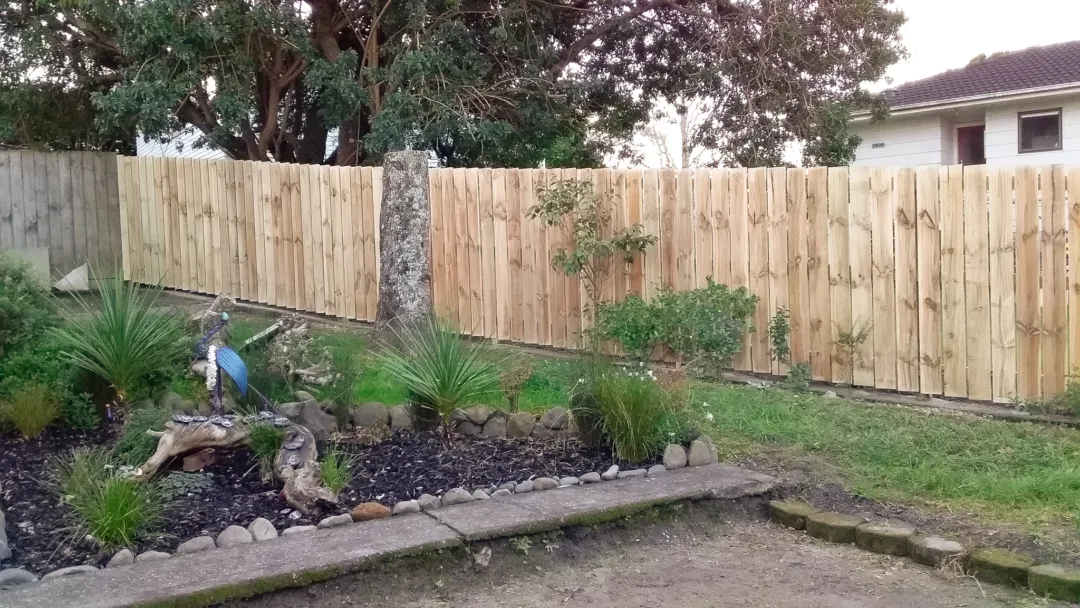
Timber garden gates and fences have remained the preferred choice for Auckland homes because they offer warmth, character, and flexibility that other materials struggle to match. A well-built timber fence complements both modern and traditional architecture, ages beautifully when maintained, and can be customised to suit almost any aesthetic. The real advantage of timber is its resilience when properly treated and installed—treated timber withstands Auckland’s coastal conditions, moisture cycles, and salt spray better than many homeowners realise.
Here’s the catch: Auckland’s clay soils move with seasonal moisture changes, and this movement transfers directly to your fence posts and gates. If your posts aren’t set deep enough or your concrete hasn’t cured properly, your gate starts sagging within 2–3 years, no matter how quality the timber. Cheap plated hinges show rust within 18 months in coastal areas, and gate hardware under constant stress from uneven ground becomes a weak point that no amount of good timber can overcome. This is why timber gates paired with stainless steel or hot-dipped galvanised hardware, installed by someone who understands Auckland’s soil behaviour, outperform alternatives year after year.
Proper Fence Post Footing Prevents Years of Regret
The single most critical factor determining whether your gate survives Auckland’s conditions is post footing depth and concrete curing. Posts should be sunk 600–900 mm deep, depending on soil type and gate weight—anything shallower risks movement as clay soils expand and contract. The concrete around the post must cure fully before loading; rushing this step is where most failures begin.
Many installers use minimal footing depth to save time and cost, which works fine in stable, well-drained soils but fails predictably in Auckland’s moisture-prone clay. Your gate posts experience constant lateral stress from wind, user movement, and ground settlement. When concrete hasn’t cured for the full 5–7 days, or when posts are only 400–500 mm deep, that stress has nowhere to go except into the hinges and frame. Within months, hinges twist, latches misalign, and the gate begins sagging. Ask your installer about their post footing depth and curing timeline—this single question reveals whether they understand Auckland or are simply following a generic checklist.
Choosing Between Materials: Timber vs Aluminium
Aluminium garden gates are low-maintenance and don’t rot, but they’re more expensive upfront (NZD $500–2,500+ depending on size and design), and they lack the aesthetic warmth timber delivers. Aluminium also conducts temperature extremes, making it uncomfortable to touch in summer. In coastal Auckland, aluminium requires protective coatings to prevent salt corrosion, which somewhat contradicts the “maintenance-free” argument.
Vinyl is durable and requires minimal maintenance, but it’s less common in Auckland, tends to look plastic, and isn’t as repairable if damaged. Steel gates are strong and affordable but rust quickly without proper coating and maintenance. Timber offers the best balance for most Auckland properties—it works with our climate when treated properly, looks genuinely good, and costs less initially than quality aluminium. Timber garden gates paired with quality hardware and proper installation consistently outperform other materials in Auckland’s specific conditions.
Gate Hardware and Hinges: The Weak Points
This is where most gates fail, and it’s rarely discussed in generic online guides. Cheap plated hinges look fine in the shop but fail within 18 months in coastal Auckland. The salt spray and moisture penetrate the plating, rust forms underneath, and hinges seize or twist. Gate latches suffer the same fate—corrosion and stiffness turn a smooth gate into one that jams and won’t close properly.
Stainless steel or hot-dipped galvanised hinges cost more upfront (NZD $40–80 per hinge pair versus NZD $10–15 for cheap alternatives), but they remain functional after five years of Auckland weather. If your gate was installed without quality hardware, replacing hinges is often cheaper than replacing the entire frame. Check your hinges annually and replace any showing rust immediately—this simple habit extends gate life by years.
Professional Installation vs DIY: When to Call Experts
DIY is possible if you have carpentry experience and understand Auckland soil conditions, but the cost of mistakes—resetting posts, replacing a warped gate frame—often exceeds professional installation fees. Professional installers bring equipment, experience with local soil types, and knowledge of what actually works in Auckland’s climate. They can diagnose ground issues before breaking ground and adjust footing depth and concrete mix accordingly. Fence and gate installation done properly costs NZD $80–150 per metre for timber paling, plus NZD $800–2,500 for gate installation depending on size and complexity—a worthwhile investment compared to replacing a failed gate within a few years.
Maintenance: Keeping Your Investment Sound
Timber requires re-staining every 3–5 years in Auckland to maintain protection against moisture and UV damage. Winter months (June–August) are ideal for maintenance work since the wood is drier. Oil hinges lightly if they start squeaking, and replace any hardware showing rust before it spreads. Check post concrete annually—if you see cracks or movement, address it early rather than waiting for the gate to fail.
Auckland Council Regulations and Consent
Most residential fences under 1.8 metres don’t require resource consent, but boundary fences on shared land do. Contact your local Auckland Council office before starting work—they’ll confirm whether your project needs consent and what building code requirements apply. Incorrect fence height or placement can create compliance issues later, so checking early avoids costly rework.
Neighbour Considerations and Boundary Issues
Boundary fences are usually shared responsibility—both neighbours typically contribute to costs, though this depends on your deed and local agreement. Discuss plans with your neighbour before installation. If you’re installing a gate that opens across shared property, formalise the arrangement to avoid future disputes. Being clear upfront prevents conflict and ensures everyone’s expectations align.
For expert guidance tailored to your Auckland property, Timber Fencing Guys can help you navigate material choices, council requirements, and installation specifications that keep your garden gates and fences sound for decades.
Investing in Gates and Fences That Last
Garden gates and fences in Auckland succeed or fail based on three factors: material choice, post footing depth, and quality hardware. Timber remains the best option for Auckland homes when paired with stainless steel or hot-dipped galvanised hinges and installed by professionals who understand our clay soils and coastal climate. Proper post depth, concrete curing, and regular maintenance transform a garden gate from a short-term expense into a decades-long investment that enhances your property’s value and appearance.
Don’t let common mistakes—shallow post footings, cheap hardware, or rushed installation—undermine your investment. Whether you’re planning a new gate or maintaining an existing fence, Timber Fencing Guys can guide you through material selection, council requirements, and installation standards specific to Auckland’s conditions. Your garden deserves a gate built to last.